


To book a consultation contact 07456598779
Treatments by appointment only
Laser Treatments
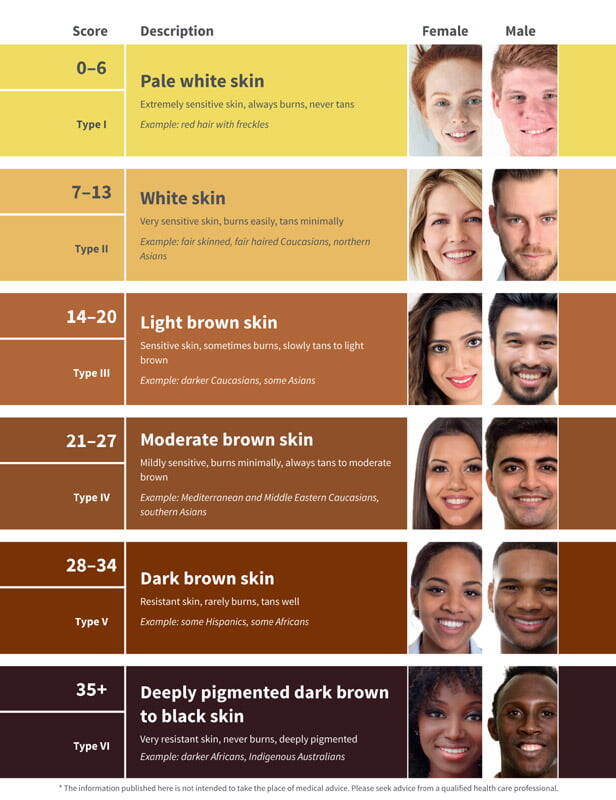
The Fitzpatrick Skin Scale plays a vital role in both laser hair removal and laser tattoo removal, as it helps practitioners assess how different skin types respond to light-based treatments.
By identifying where a client falls on the scale (Types I–VI), we can safely tailor laser settings to minimise risks such as burns, hyperpigmentation, or hypopigmentation. Because laser energy targets pigment, understanding skin tone is essential for protecting the surrounding skin while effectively treating hair follicles or tattoo ink. Using the Fitzpatrick scale ensures treatments are not only effective, but also safe, personalised, and clinically responsible.
For safety reasons, we are unable to provide Laser treatment for Fitzpatrick 6
To book a consultation contact 07456598779
Fitzpatrick Skin Type Scale
Tattoo Removal
What is it?
Laser tattoo removal is a non-surgical, minimally invasive procedure that uses high-intensity light beams to break up ink pigment trapped in the skin. The laser shatters ink particles into tiny fragments, allowing the body's immune system to naturally flush them away over several weeks. It is the most effective method for fading or removing tattoos, requiring multiple sessions.
Who is it for?
Laser tattoo removal is designed for individuals in good health with realistic expectations seeking to remove or fade unwanted, professional, amateur, or traumatic tattoos. It is highly effective for most, though generally works best on lighter skin tones and requires a commitment to multiple sessions for optimal results.
We use the Fitzpatrick Skin Type Scale. Laser treatments are not recommended for types 5&6 due to high risk of burns.
Is it painful?
The sensation is often described as feeling like a snap of an elastic band. It is safe and generally causes minimal scarring. The skin may temporarily turn white (frosting) immediately after, with minor swelling or blistering often occurring.
How many sessions does it take?
Typically 6-12 sessions, spaced 4-6 weeks apart, are necessary, depending on the tattoo's size, color, age, and depth.
Effectiveness Factors: Black ink is the easiest to remove, while brighter colors like green, or fluorescent inks may be more resistant and require specific lasers. Amateur tattoos often fade faster than professional ones.
Yellow, white and light blue are too light for the laser to be effective. These colours cannot be removed with LMC Dual Lux Pro.
Are there any side effects?
Common & Temporary Side Effects
Redness & Swelling: Very common immediately after treatment, similar to a sunburn.
Blistering & Crusting: Tiny steam bubbles release, leading to frosting and potential blisters or scabs as the skin heals.
Itching: A sign that the immune system is working to clear ink particles.
Pinpoint bleeding: Small spots of blood can appear.
Temporary Pigment Changes: Skin may temporarily darken (hyperpigmentation) or lighten (hypopigmentation).
Less Common & More Serious Risks
Infection: Can occur if blisters or scabs are picked, introducing bacteria.
Scarring: Rare, but possible if aftercare isn't followed or with aggressive treatments, potentially altering skin texture.
Paradoxical Darkening: Some cosmetic tattoos (especially in lighter skin) may paradoxically get darker.
Allergic Reactions: Rare, but possible to ink pigments.
Pre Treatment
Essential Pre-Treatment Checklist:
Sun Protection: Avoid tanning beds, spray tans, and direct sun exposure (or use SPF 30+) for 2-4 weeks prior to avoid hyper/hypopigmentation.
Skin Preparation: Shave the treatment area 24-48 hours before to allow for proper laser access.
On the Day: Do not apply creams, oils, moisturisers, deodorants, or makeup to the area.
Hydration & Health: Increase water intake, eat a light meal beforehand to prevent light-headedness, and avoid alcohol/smoking for 24 hours prior.
Medication: Inform your practitioner about any medication, particularly photosensitive ones.
Numbing Cream: If using, apply 30-60 minutes before the session (e.g., Emla 5%) and cover with cling film.
Clothing: Wear loose, comfortable clothing to minimize irritation to the treated area.
Ensure your tattoo is fully healed (usually at least 6 months old) before starting sessions.
Hair Removal
What is it?
Laser hair removal is a non-invasive cosmetic procedure that uses concentrated beams of light (laser) to target and destroy hair follicles, significantly reducing unwanted body or facial hair. By emitting light absorbed by the pigment (melanin) in hair, the heat damages the follicle to inhibit future growth. It requires multiple sessions for long-term, stable hair reduction.
Who is it for?
Laser hair removal is ideal for individuals seeking long-term reduction of unwanted hair, particularly those with a high contrast of light skin and dark hair, as the laser targets melanin. While most effective on dark hair, modern technology allows safe treatment for various skin tones. It is commonly used for the legs, underarms, bikini line, and face, suitable for both men and women.
We use the Fitzpatrick Skin Type Scale. Laser treatments are not recommended for types 5&6 due to high risk of burns.
Ideal Candidates and Conditions:
Hair and Skin Type: Best results are seen in people with dark hair and light skin, as the laser targets the melanin in the hair follicle.
Hair Color Limitation: The treatment is generally not effective on white, grey, or red hair.
The treatment is not recommended if you are pregnant, breastfeeding, or taking certain medications for acne.
Is it painful?
Sensation: Described as a, warming, stinging, or pin-prick sensation.
Factors Affecting Pain: Coarser, darker hair and sensitive skin areas (like the neck or intimate areas) can increase discomfort.
Pain Management: The LMC Dual Lux Pro has a cooling technology to minimize discomfort. Numbing creams can be used, but are not likely to be neccesary.
Progression: The sensation often decreases with subsequent sessions.
How many sessions does it take?
Most Areas: 6 to 8 sessions.
Face (Hormonal): 8 to 10 sessions.
Larger Areas (Legs, Back): 6 to 8+ sessions.
Are there any side effects?
Common & Mild Side Effects (Usually Temporary)
Redness & Swelling: The most common, often subsiding within hours to a few days.
Discomfort: Mild pain or stinging during/after treatment.
Crusting/Scabbing: Minor crusting can happen but usually resolves quickly.
Patchy Regrowth: Some hair may shed and regrow as not all follicles are in the active growth phase.
Less Common & More Serious Risks (Seek Professional Advice)
Skin Discoloration: Lighter or darker patches (hyperpigmentation/hypopigmentation), more common with darker skin tones or sun exposure.
Blisters & Burns: Can occur if the laser settings are too high or treatment is improper, potentially leading to scabs.
Infection: A risk with burns or open sores.
Scarring: Rare, but possible from burns or blisters.
Eye Injury: A severe risk if lasers are used near eyes without proper protection (e.g., eyelids/eyebrows).
Paradoxical Hair Growth: Very rare, but can sometimes stimulate hair growth in surrounding area
Pre Treatment
Weeks Before:
Stop Hair Removal: Cease waxing, plucking, threading, or using hair removal creams for at least 4-6 weeks, as the laser targets the hair root. Do shave the area 24-48 hours prior to treatment.
Avoid Sun: Stay out of direct sunlight and tanning beds for 2-4 weeks; a tan can increase risks.
Check Medications: Consult your doctor about avoiding blood-thinning medications (like aspirin) and other photosensitizing drugs.
Shave: Shave the treatment area about 24-48 hours (the quicker your hair grows the less time before the appointment for shaving) before your appointment; this cuts surface hair but leaves the root intact.
Clean Skin: Shower and cleanse the area thoroughly, but arrive with no makeup, lotion, deodorant, or oils on your skin.
Permanent Makeup Removal
What is it?
Laser Permanent Makeup (PMU) removal is a non-invasive procedure using specialized lasers (often Q-switched or Pico lasers) to break down tattoo pigments in the skin. The light energy shatters ink particles into smaller fragments, which the body's immune system then naturally eliminates. It is highly effective for fading or removing unwanted, oversaturated, or poorly applied eyebrow, eyeliner, or lip tattoos.
Who is it for?
Individuals with Poorly Performed PMU: If the shape, symmetry, or color of eyebrows or eyeliner is unsatisfactory.
Clients with Discoloured Pigment: When brown pigment has faded into pink, orange, or greyish-blue shades.
Those with Oversaturated Brows: People who have had too many top-ups, resulting in a solid, blocky, or "heavy" look.
Individuals Wanting a Style Change: Those who have outdated shapes (e.g., thin brow trends from previous years) and want to start fresh.
Correction Pre-treatment: Anyone needing to significantly lighten old pigment before undergoing a new, improved cosmetic tattoo procedure.
Emergency Removal: For, recently applied pigments that need to be lifted quickly.
The treatment is not recommended if you are pregnant, breastfeeding, or taking certain medications for acne.
Is it painful?
Laser Permanent Makeup (PMU) removal is generally considered uncomfortable but tolerable, often described as a rubber band snapping against the skin or a hot sting. While it involves some pain, sessions are very quick (often just a few minutes), and numbing cream or cooling machines are used to manage discomfort.
How many sessions does it take?
Average Sessions: 3–5 sessions are common for most, but 6-10 may be necessary for stubborn, deep, or heavily saturated ink.
Lightening vs. Removal: Some, but not all, of the pigment may lighten after just one session.
Factors Influencing Sessions:
Color: Red, orange, or yellow pigments (often from iron oxide) can be more difficult to remove and may require more sessions or cause temporary color changes.
Type of PMU: Microblading generally requires fewer sessions (1-3) compared to solid, densely packed machine-applied brows.
Skin/Ink: Older, more faded, or shallowly placed ink removes faster
Are there any side effects?
Common Side Effects (Short-Term)
Redness and Swelling: Almost immediate, lasting for several days to a week.
Blistering and Scabbing: Common, particularly with higher-intensity lasers for deeper ink. Blisters should not be popped or picked.
Itching and Tenderness: The skin will feel sensitive during the healing process, often managed with moisturizing balm.
Frosting: A white, chalky appearance immediately after the laser hits the ink, caused by CO2 release. It typically lasts only a few minutes to an hour.
Pinpoint Bleeding: Can occur, especially with denser ink in the brows or lips.
Potential Complications and Long-Term Effects
Hyperpigmentation (Darkening) or Hypopigmentation (Lightening): Skin may become temporarily darker or lighter than the surrounding skin, especially in darker skin tones. These often fade over months but can be permanent.
Scarring: Rare (less than 2%) but possible if the area is not properly cared for or if infection occurs.
Infection: Low risk, but possible if the area is not kept clean and protected.
Pigment Changes: In some cases, the laser can oxidize certain ink colors (like beige, white, or red) causing them to turn dark or black, which requires further treatment.
Aftercare and Tips to Minimize Effects
Do not pick: Avoid picking scabs or popping blisters to prevent scarring.
Keep it clean: Gently clean the area with mild soap and water.
Protect from sun: Avoid direct sunlight on the treated area.
Use approved creams: Apply recommended ointments (like Aquaphor) to aid healing.
Ice packs: Use cool compresses to reduce swelling, but do not apply ice directly to the skin.
If side effects persist beyond two weeks or show signs of severe infection, contact a medical professional.
Pre Treatment
Sun & Tanning: Absolutely no sunbathing, sunbeds, or fake tan for 2–4 weeks before, as this increases the risk of hypo/hyperpigmentation. Use SPF 30+ daily.
Skincare Products: Stop using exfoliating products, retinols, and AHAs/BHAs on the treatment area for at least 1–2 weeks prior.
Health & Lifestyle: Avoid alcohol, smoking, and blood-thinning medications (like aspirin) 24–48 hours before to reduce bruising and swelling.
On the Day: Arrive with completely clean skin—no makeup, lotion, oils, or serums.
Numbing Cream: If used, apply 30–120 minutes before, covered with cling film as instructed by the clinic.
Following these steps ensures that the laser can accurately target the ink without interfering with tanned or sensitive skin, minimizing the risk of scarring or unwanted side effect
Carbon Facial
What is it?
A laser carbon facial is a non-invasive, painless, and no-downtime procedure that uses a liquid carbon layer and a Q-switched laser to deeply cleanse, exfoliate, and rejuvenate the skin. It targets oily skin, acne, enlarged pores, and fine lines by vaporizing the carbon, removing debris, and boosting collagen production
Who is it for?
In the UK, the age limit for a laser carbon facial is 18 years old and over. The treatment is not recommended if you are pregnant, breastfeeding, or taking certain medications for acne.
Oily Skin & Acne Prone: It effectively reduces sebum (oil) production, clears pores, and reduces active acne and blackheads.
Individuals with Enlarged Pores: The laser shrinks pore size, resulting in a smoother texture.
Dull/Uneven Skin Tone: The treatment boosts radiance and targets hyperpigmentation.
Early Aging Signs: It helps with fine lines, wrinkles, and skin tightening through collagen stimulation.
"Red Carpet" Glow: Ideal for an instant, refreshed look with no downtime.
Key Considerations:
Skin Types: While generally safe for all skin types, it is particularly effective for oily to combination skin.
Sensitivity: While often suitable for sensitive skin, those with severe eczema, rosacea, or active acne infections should consult a professional first
Is it painful?
Most patients feel a warm, tingling, or very slight, quick pinching sensation.
How long do the effects last?
Are there any side effects?
Common & Mild Side Effects (Hours to Days)
Redness/Flushing: The most common reaction, usually subsiding within hours.
Tingling/Warmth: A gentle sensation during the procedure that fades quickly.
Hyperpigmentation: Darkening of the skin, more common in darker skin tones, often due to sun exposure.
Pre Treatment
2–4 Weeks Prior
Sun Protection: Avoid direct sun exposure and tanning beds for at least 2 weeks (some recommend 4 weeks) to minimize sensitivity and risk of pigmentation.
3–7 Days Prior
Skincare Products: Discontinue using active ingredients, including retinoids (Retin-A), alpha-hydroxy acids (AHAs), beta-hydroxy acids (BHAs), and anti-aging creams.
Medical & Health: Inform the technician if you have a history of cold sores (Herpes Simplex), as you may need to take antiviral medication. Avoid blood-thinning medications and alcohol.
48 Hours Prior
Hair Removal: Do not wax, tweeze, thread, or use hair removal creams in the treatment area.
Men should shave at least 12 hours before the treatment.
Day of Treatment: Cleanse your face, removing all makeup, creams, and oils.